
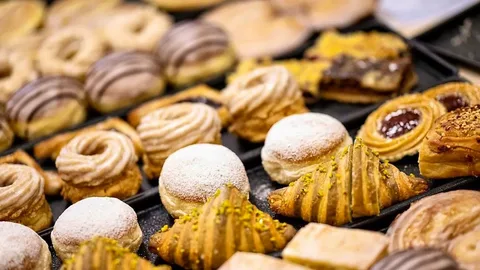
Walk into an authentic European bakery and one thing becomes immediately clear. The aroma, texture, and flavor of freshly baked pastries are unmistakable. At Babushka Market in Walnut Creek, this experience is part of everyday life. Freshness is not a trend or a marketing claim. It is a tradition rooted in generations of Eastern European baking culture, where pastries are made to be enjoyed at their peak, often the same day they leave the oven.
Eastern European pastries are not designed for long shelf lives or mass production. They are crafted for flavor, texture, and emotional connection. Understanding why they taste better fresh means understanding the ingredients, techniques, and cultural values behind them.
Freshness as a Foundation of Eastern European Baking
A Culture Built Around Daily Baking
In many Eastern European households, baking was never a once a week activity. Breads and pastries were prepared frequently, often daily, using simple ingredients and time tested methods. Fresh baked European pastries were meant to be shared with family, guests, and neighbors while still warm or shortly after cooling.
This tradition shaped recipes that prioritize immediate enjoyment. Doughs were developed to rise naturally, fillings were prepared fresh, and pastries were served without preservatives or artificial stabilizers. When baked fresh, these pastries deliver depth of flavor and texture that simply cannot be replicated days later.
Why Freshness Changes the Flavor
Fresh baking preserves delicate aromas that fade quickly with time. Butter retains its richness, yeast maintains its subtle complexity, and fillings remain vibrant rather than muted. The crispness of a flaky pastry shell and the softness of a tender interior exist only in a narrow window after baking.
Once pastries sit too long, moisture shifts, fats solidify, and flavors dull. This is why Eastern European pastries are best enjoyed fresh and why traditional bakeries continue to prioritize small batch preparation over mass production.
The Role of Traditional Ingredients
Simple Ingredients With Big Impact
Eastern European baking relies on honest ingredients. Flour, butter, eggs, milk, yeast, and sugar form the base of many traditional recipes. When these ingredients are fresh and high quality, they do not need enhancement.
Fresh butter brings richness and aroma. Whole eggs provide structure and color. Fresh yeast creates a gentle rise and nuanced flavor. These elements work together best when pastries are baked and enjoyed shortly after preparation.
Seasonal and Regional Fillings
Traditional Eastern European desserts often feature fillings made from fruits, nuts, cheese, and poppy seeds. These ingredients are highly sensitive to time. Fresh fruit fillings maintain brightness and balance, while cheese fillings remain creamy rather than dense.
When pastries are made fresh, fillings retain their intended texture and taste. This is especially noticeable in pastries that rely on subtle sweetness rather than heavy sugar.
Time Honored Techniques Matter
Hand Crafted Doughs
Many European bakery pastries begin with doughs that are mixed, rested, and shaped by hand. This allows bakers to feel the dough and adjust hydration or resting time as needed. Machine processing cannot replicate this level of responsiveness.
Fresh doughs behave differently than doughs that are frozen or stored for extended periods. When baked fresh, they rise more evenly and bake more predictably, resulting in better texture and appearance.
Slow Fermentation for Better Taste
Slow fermentation is common in Eastern European baking. Allowing dough to rest and ferment naturally develops flavor without additives. This process creates complexity and depth that becomes most apparent when pastries are consumed fresh.
Once baked goods sit too long, these nuanced flavors diminish. Freshness ensures the full expression of the fermentation process reaches the palate.
Texture Is Just as Important as Flavor
The Balance of Crisp and Soft
One of the defining qualities of fresh baked European pastries is contrast. A light crisp exterior paired with a soft interior creates a satisfying eating experience. This balance is fleeting and depends entirely on freshness.
As pastries age, crisp layers soften and interiors dry out. Reheating can help slightly, but it cannot restore the original structure created by fresh baking.
Why Freshness Enhances Mouthfeel
Texture influences how flavors are perceived. A tender crumb allows flavors to release gradually, while a flaky crust enhances buttery notes. These sensory elements are strongest when pastries are fresh and properly rested.
Authentic European baked goods are designed with this balance in mind, making freshness essential rather than optional.
Fresh Baking Reflects Cultural Values
Hospitality and Sharing
In Eastern European culture, food is closely tied to hospitality. Offering freshly baked pastries is a gesture of care and respect. Serving something that was baked days ago would feel incomplete.
This mindset carries into traditional markets and bakeries, where freshness is a sign of pride and authenticity. Pastries are not just products. They are expressions of culture and connection.
Quality Over Convenience
Eastern European pastries prioritize quality over convenience. This often means shorter shelf lives, smaller batches, and more frequent baking. While this approach requires more effort, it preserves the integrity of traditional recipes.
Markets and bakeries that honor this philosophy deliver pastries that feel alive rather than manufactured.
Why Fresh Pastries Stand Apart Today
A Contrast to Mass Production
Modern mass produced pastries are designed for transportation and storage. Preservatives, stabilizers, and excessive sugar compensate for lost freshness. While convenient, they lack the character of traditional baking.
Fresh Eastern European pastries remain rooted in a different philosophy. They rely on timing, craftsmanship, and restraint rather than shelf stability.
The Value of Authentic Experiences
Consumers increasingly seek authentic food experiences. Fresh pastries offer a connection to tradition that cannot be replicated through packaged goods. Each bite reflects technique, heritage, and intention.
Choosing fresh baked pastries supports the continuation of these culinary traditions and the artisans who keep them alive.
Experiencing Fresh Eastern European Pastries Locally
For those seeking genuine Eastern European pastries, freshness is the most important indicator of quality. Look for bakeries and markets that bake frequently, use traditional methods, and avoid shortcuts that compromise flavor.
Babushka Market brings these values to life by offering pastries that reflect authentic recipes and a commitment to freshness. This dedication ensures that every pastry delivers the flavor, texture, and warmth that Eastern European baking is known for.
A Final Thought on Freshness and Tradition
Freshness is not just a detail. It is the foundation of why Eastern European pastries taste the way they do. From carefully selected ingredients to slow fermentation and cultural values, every step of the process is designed to shine in the moment the pastry is ready.
When you choose pastries made fresh, you experience them as they were intended to be enjoyed. That is the difference tradition makes, and it is why European Pastries continue to hold a special place in Eastern European food culture.