
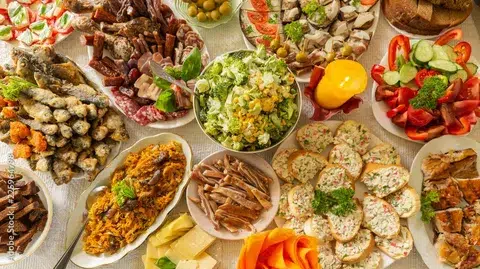
Comfort food has a way of telling stories. In Eastern European cuisine, those stories are shaped by family kitchens, seasonal ingredients, and recipes passed down through generations. Dishes are meant to nourish, satisfy, and bring people together around the table. For those in the Bay Area looking to experience these traditions firsthand, Babushka Market has long been a trusted destination for classic Eastern European comfort foods rooted in authenticity, quality, and heritage.
This exploration of Eastern European comfort foods highlights the dishes that have stood the test of time and continue to define what comfort means across cultures and generations.
What Makes Eastern European Comfort Foods So Enduring
Eastern European comfort foods are built around simple ingredients transformed through thoughtful preparation. These dishes were designed to provide warmth and sustenance, especially during long winters, and that purpose still resonates today.
Shared Characteristics of Traditional Comfort Dishes
Across regions, many traditional Eastern European dishes share common traits:
- Hearty portions meant to satisfy
- Ingredients that are accessible and seasonal
- Cooking methods that enhance depth of flavor
- Recipes shaped by family traditions
These elements combine to create meals that feel familiar, even to first-time visitors.
Pierogi and Pelmeni as Icons of Comfort Cuisine
Among the most recognizable Eastern European comfort foods are pierogi and pelmeni. Though similar in appearance, each carries its own cultural identity and culinary story.
Understanding Pierogi
Pierogi are dumplings traditionally filled with a variety of savory or mildly sweet ingredients. They are a staple in many Eastern European households and are often associated with gatherings and celebrations.
Common characteristics include:
- Soft dough that becomes tender when cooked
- Fillings that range from potato-based to meat-forward
- Preparation methods that include boiling and pan finishing
Pierogi reflect the essence of classic European comfort food through their balance of simplicity and satisfaction.
What Sets Pelmeni Apart
Pelmeni are smaller dumplings, typically filled with seasoned meat, and known for their delicate texture. They are valued for their comforting warmth and straightforward preparation.
Pelmeni are often enjoyed:
- As a main dish with simple accompaniments
- As a warm meal during colder months
- In family settings where food is shared
Together, pierogi and pelmeni showcase how Eastern European dumplings can be both humble and deeply comforting.
Beyond Dumplings Exploring Traditional Comfort Favorites
While dumplings play a central role, Eastern European comfort foods extend far beyond pierogi and pelmeni.
Hearty Dishes That Define Comfort
Many traditional Eastern European dishes focus on slow preparation and layered flavors.
These may include:
- Stuffed cabbage prepared with seasoned fillings
- Baked dishes that combine meat, grains, and vegetables
- Soups designed to warm and sustain
These meals reflect a culinary philosophy that prioritizes nourishment and balance.
Why These Foods Still Matter Today
In a modern world of fast meals, Eastern European comfort foods offer a reminder of intentional cooking. They encourage slower dining and shared experiences, which is why they continue to resonate across generations.
How Comfort Foods Connect Food and Culture
Comfort foods in Eastern Europe are deeply tied to cultural identity. Recipes are often passed down verbally, evolving slightly with each family while maintaining their core character.
Food as a Cultural Anchor
Traditional meals serve as:
- A link to heritage for immigrant families
- A way to preserve culinary traditions
- A means of sharing culture with new audiences
This connection makes Eastern European comfort foods meaningful beyond their taste alone.
Community Through Shared Meals
Many comfort dishes are designed for group dining. Whether enjoyed during holidays or everyday meals, these foods foster connection and togetherness.
Discovering Comfort Foods at an Eastern European Market
Experiencing these dishes in an authentic setting adds depth to the experience. An Eastern European market offers more than food. It offers context.
What to Look for When Exploring
When visiting a traditional market, seek out:
- House-prepared dishes made in small batches
- Ingredients used consistently with traditional recipes
- Staff who understand the cultural significance of the food
This environment allows comfort foods to be appreciated as they were intended.
Bringing Comfort Home
Many Eastern European comfort foods can be enjoyed at home, either freshly prepared or reheated. This flexibility makes them ideal for busy families seeking meaningful meals.
Why Eastern European Comfort Foods Continue to Inspire
The enduring appeal of Eastern European comfort foods lies in their honesty. They do not rely on trends or reinvention. Instead, they offer reliable warmth, flavor, and familiarity.
As more people seek meaningful food experiences, these traditional dishes continue to find new audiences who appreciate their depth and purpose.
A Timeless Culinary Tradition
From the first bite of a handmade dumpling to the warmth of a well-prepared meal, Eastern European comfort foods offer more than nourishment. They tell stories of resilience, family, and tradition. Whether you are discovering these dishes for the first time or reconnecting with familiar flavors, exploring classic comfort foods opens the door to Authentic Eastern European Food that continues to bring people together across cultures and generations.